Dental Emergency Plano TX Solutions for Loose Crowns
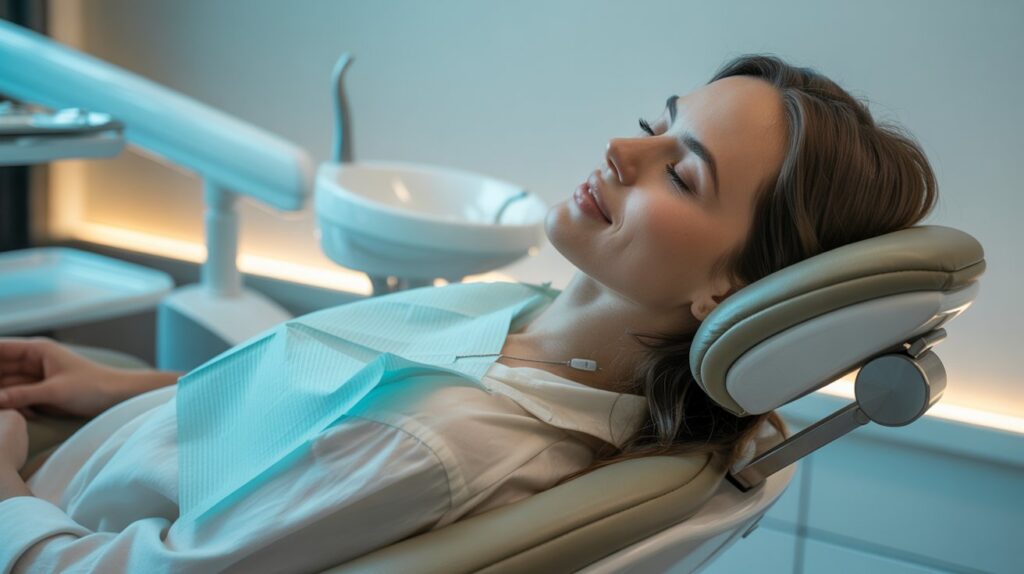
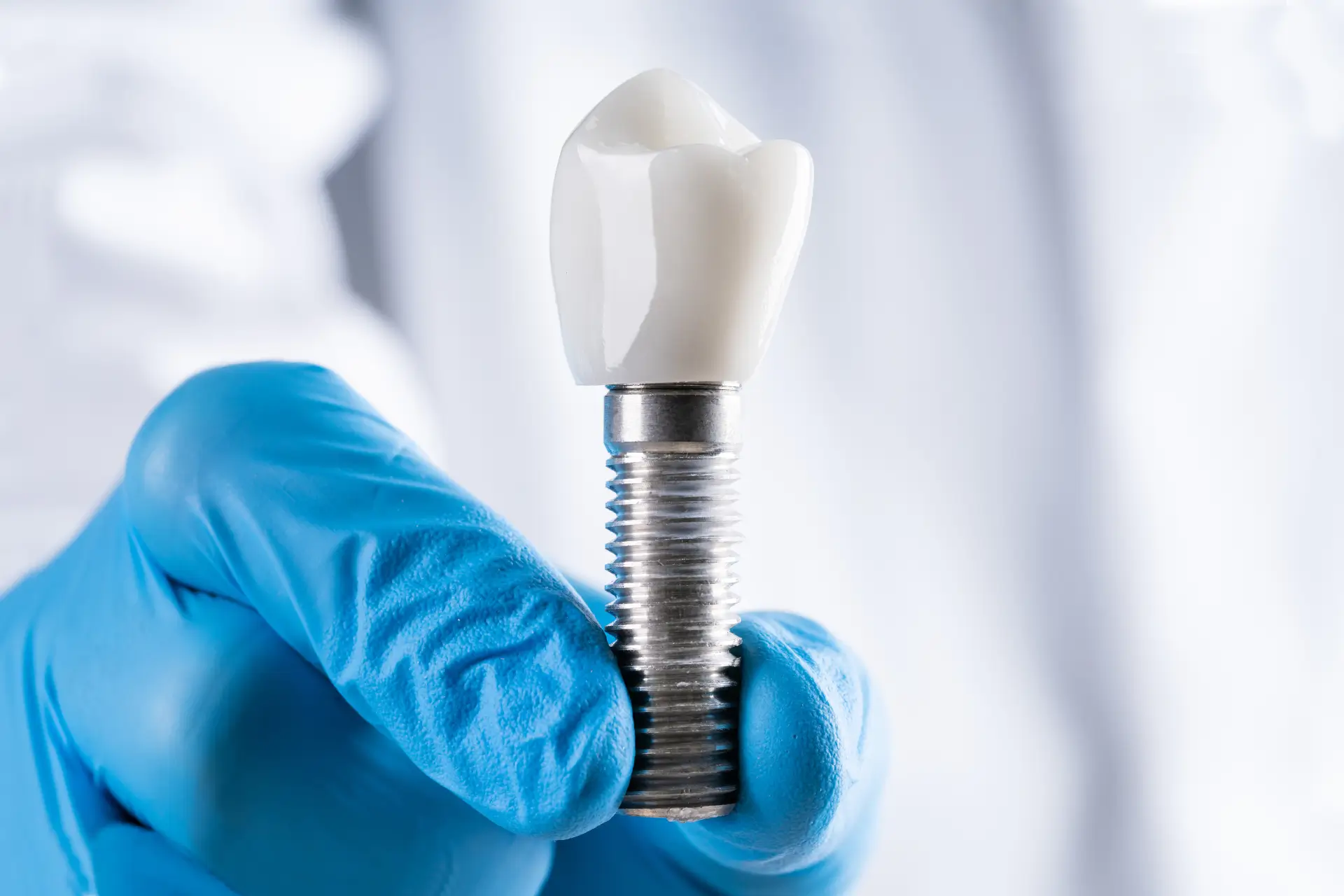
A loose dental crown has a way of disrupting an ordinary day in seconds. One bite on toast, one sticky piece of candy, one late-night clench, and suddenly a tooth that felt stable yesterday now shifts when you chew. For many patients, the first reaction is a mix of annoyance and worry. Can I leave it alone for a few days? Will the tooth crack? Do I need urgent care, or can this wait?
In practice, a loose crown sits in the gray zone between routine dentistry and true urgency. It is not always a dramatic, after-hours crisis, but it can become one if the underlying tooth is exposed, the crown falls off completely, or pain starts building. In a busy area like Plano, where schedules are packed and people often try to fit care between work, school pickups, and travel, knowing what to do in the first few hours matters. A prompt response can protect the tooth, reduce discomfort, and often save the existing crown.
Why a loose crown deserves quick attention
Crowns are designed to restore strength and shape to a damaged tooth. They cover the visible portion of the tooth and protect what remains underneath. The problem is that the crown itself is only part of the system. It depends on a precise fit and a secure layer of dental cement. Once that seal weakens, bacteria, saliva, and food debris can work their way under the crown. That is where small problems begin to grow.
A crown can loosen for several reasons. Sometimes the cement simply wears down over time. Sometimes decay forms under the edge of the crown and changes the fit. Patients who grind or clench can place constant pressure on the restoration, especially at night. I have also seen crowns loosen after people chew ice, bite directly into very hard bread crust, or tug against sticky foods like caramel and taffy. None of those stories are unusual. A crown often holds up for years, then fails at a moment that seems surprisingly ordinary.
The biggest risk is not the crown itself. It is the underlying tooth. Many crowned teeth have large fillings, previous fractures, or root canal treatment. They often do not have the same natural strength they once had. If a loose crown is left untreated, the tooth may become sensitive, decay may spread, or the remaining structure may crack. At that point, what might have been a recementation can become a replacement crown, a root canal, or in severe cases, an extraction.
That is why patients searching for Dental Emergency Plano TX care for a loose crown should not dismiss the issue simply because the pain is mild. Crowns fail on a spectrum. Some can wait a short time with careful handling. Others need same-day attention.
What a loose crown usually feels like
Patients describe this problem in different ways. Some say the crown “wiggles” slightly with their tongue. Others notice a dull pressure when chewing. Some report sudden temperature sensitivity, especially to cold drinks. If the crown has lifted enough to trap food, there may be a bad taste or soreness around the gumline. A few people hear a faint click when they bite down.
Pain is not always the best measure of severity. A tooth with a prior root canal may have very little sensation even if the crown is barely hanging on. On the other hand, a live tooth under a slightly loosened crown may feel sharp sensitivity even if the restoration still appears mostly in place. That is one reason self-diagnosis can be misleading.
A completely dislodged crown is easier to identify, but it creates its own set of decisions. Many patients are surprised to find that the tooth underneath looks much smaller than expected. That is normal. Crowned teeth are shaped down to make room for the restoration. Once the crown comes off, the tooth may look like a short peg or stub, and it may feel rough or vulnerable. That exposed tooth can chip quickly if you keep chewing on it.
What to do in the first few hours
If your crown feels loose or has come off, the best first step is to protect the area and arrange an exam as soon as possible. Immediate home care should be practical, calm, and conservative.
- Stop chewing on that side and switch to soft foods.
- If the crown has come off, store it in a clean container and bring it to the appointment.
- Rinse your mouth gently with lukewarm water to clear food particles.
- If the exposed tooth is sensitive, avoid very hot, very cold, and sugary foods.
- Call a dental office the same day, especially if there is pain, swelling, or a crown that will not stay seated.
Patients often ask whether they should try to push the crown back on. Sometimes that is reasonable as a short-term measure, but only if it slips into place easily and does not require force. A crown that does not seat fully may be distorted, blocked by debris, or associated with a damaged tooth. Biting down to force it into position can fracture the tooth or the restoration.
Over-the-counter temporary dental cement from a pharmacy can occasionally help hold a crown in place for a brief period, especially if travel or timing makes a same-day visit impossible. Still, it is not a substitute for treatment. Temporary cements are exactly that, temporary. I have seen patients use them successfully for a day or two, and I have also seen crowns come in skewed, trapped high in the bite, or packed with household glue that created more work and more risk. Super glue should never go in the mouth. It is not made for oral tissues, and it can damage both the crown and the tooth.
When it becomes a true dental emergency
Not every loose crown needs midnight intervention, but certain signs move the situation into urgent territory. If the tooth hurts on its own, throbs, or feels increasingly tender to pressure, the pulp or surrounding tissues may be irritated or infected. Swelling of the gums, cheek, or jaw raises concern about infection. Bleeding that does not settle, trauma to the area, or a crown that came off with a visible chunk of tooth attached also deserves prompt attention.
The following situations usually justify same-day care:
- significant pain that is not relieved by basic measures
- swelling, pus, or a bad taste that suggests infection
- a broken tooth under the crown
- inability to close your bite normally because the crown is shifting
- a loose crown on a front tooth when appearance or speech is affected
There is also a practical kind of urgency that matters. If you are leaving town tomorrow, if the patient is a teenager with orthodontic appliances that complicate access, or if the loose crown is part of a bridge supporting other teeth, delays can create bigger problems. Dentistry is not only about symptoms. It is also about preserving what can still be preserved.
What a dentist looks for during the visit
A proper evaluation does more than confirm that the crown is loose. The real question is why it loosened and whether the tooth is still sound. In the chair, the crown will usually be removed if it is not already off, and both the inside of the crown and the tooth underneath will https://wakelet.com/@vitalitydental1 be inspected carefully. The fit margins matter. So does the condition of the cement, the shape of the tooth, and any evidence of recurrent decay.
X-rays are often helpful, especially when a crowned tooth has pain, deep decay, or prior root canal treatment. An x-ray will not always show every crack, but it can reveal decay under the edge of the crown, infection near the root, or bone changes around the tooth. The bite is another key part of the puzzle. Crowns that carry too much force tend to fail earlier, and a patient who clenches at night may have wear patterns that point to the real cause.
From there, treatment depends on what is found. If the crown is intact, the tooth is healthy, and the fit remains good, simple recementation may be all that is needed. If decay is present, the tooth may need to be cleaned up and rebuilt before a crown can go back on. If the crown is cracked, misshapen, or no longer fits accurately, replacement is the safer option. If the underlying tooth is fractured below the gumline, treatment becomes more complex and may include extraction and replacement planning.
This is where experience matters. Saving an existing crown can be cost-effective and efficient, but only when the fit and biology support it. Recementing a compromised crown just to buy time can lead to repeat failure within days or weeks.
Why crowns loosen in the first place
Patients often want one clear cause, but crown failure is usually cumulative. Dental cement does not last forever. Oral conditions change over time. A restoration that worked well for eight years can loosen because the tooth around it changed, not because the original work was poor.
Decay at the margin is common, especially if plaque tends to collect near the gumline or if flossing around the crown has been inconsistent. Dry mouth also plays a role. Saliva helps buffer acids and protect tooth structure. Patients taking certain blood pressure medications, antidepressants, allergy medications, or other prescriptions may have less saliva and a higher cavity risk around crown edges.
Bite forces are another major factor. Bruxism can be surprisingly destructive. Many grinders do not realize they clench until they start breaking fillings, chipping porcelain, or waking with jaw soreness. In those cases, the crown is the messenger, not the whole problem. Recementing or replacing the crown without addressing the grinding pattern can set up the same failure again.
There are also material considerations. Porcelain-fused-to-metal crowns, all-ceramic crowns, zirconia crowns, and older gold restorations each behave a little differently. Some are more forgiving in thin areas, some rely more on precise bonding, and some are excellent for heavy bite forces. The right solution depends on the tooth’s location, the patient’s habits, the esthetic demands, and how much healthy tooth remains.
Can the same crown be reused?
Sometimes yes, sometimes no. Patients are often relieved to hear that a crown that came off is not automatically destined for the trash. If the crown is structurally intact, the margins are undamaged, and it still adapts closely to the tooth, it may be cleaned and recemented successfully. This is more common when the crown came off because cement failed rather than because the tooth changed.
The limits show up quickly, though. A crown that has a crack, open margin, heavy wear, or distortion should not be reused just because it can technically be placed back over the tooth. A reused crown that no longer seals properly becomes a trap for leakage and bacteria. In the short run it may feel fine. In the long run it often leads to sensitivity, recurrent decay, or another emergency at a far less convenient time.
I have seen front crowns reused beautifully after a clean debond, especially when the patient acted quickly and handled the crown carefully. I have also seen molar crowns arrive wrapped in a napkin after several days in a purse, with bent metal edges and dried temporary cement packed inside. Those are very different situations, and the treatment choice should reflect that difference.
Temporary fixes at home, and their limits
People are resourceful. When a crown loosens on a weekend, they look online, rummage through a medicine cabinet, and try to make the best of it. That instinct is understandable, but some home fixes cause avoidable damage.
Pharmacy temporary cement can be reasonable for a short bridge to care if the crown is otherwise intact and seats passively. Even then, the goal is only to protect the tooth for a brief window. It is not to restore normal chewing. Once a temporarily seated crown feels “good enough,” patients often resume regular eating, and that is where the underlying tooth can crack.
Chewing gum, denture adhesive, and random household products create their own problems. They interfere with proper seating, trap debris, and complicate cleanup. A crown needs a clean internal surface and a precise fit to be recemented correctly. The more improvised materials packed inside it, the harder it becomes to evaluate and reuse.
Pain relief should also stay straightforward. Ibuprofen or acetaminophen may help if medically appropriate for you. A cold compress on the cheek can reduce soreness if the area feels inflamed. But if medication is the only reason the problem feels manageable, that is not a sign to delay care. It is a sign to book it promptly.
Special cases that change the plan
Not all loose crowns are created equal. A crown on a back molar in a low-smile area is one thing. A crown on a front tooth before a wedding, presentation, or family photos carries a different kind of urgency. The biology does not change, but the treatment strategy may. Dentists often balance ideal care with what is possible that day, which may mean a temporary cosmetic solution first, then a definitive crown shortly after.
Crowns on implants follow a different set of rules than crowns on natural teeth. Sometimes what feels like a loose crown is actually a loose implant screw. That requires specific tools and evaluation of the implant components and bite forces. It is not something to test at home.
Children and teens with crowns, often stainless steel crowns on baby teeth or restorations on young permanent teeth, need a separate approach as well. Growth, eruption patterns, and cooperation level influence treatment. For older adults, root decay, gum recession, and medication-related dry mouth often shape the problem more than the crown itself.
Patients who have had root canals deserve special mention. Because those teeth may not feel temperature the same way, people sometimes underestimate the seriousness of a loose crown on a root canal-treated tooth. The tooth can still fracture, and when it does, symptoms may appear later than expected. A lack of pain should not create false confidence.
How prevention usually looks in real life
The best prevention is rarely dramatic. It is mostly a combination of maintenance and habit awareness. Regular dental exams matter because crown margins can be checked before symptoms appear. Bite changes, grinding patterns, and small recurrent decay are much easier to manage early. Home care matters too, particularly along the gumline where crowns meet natural tooth structure.
For patients with a history of clenching, a custom night guard can make a meaningful difference. It will not make a loose crown tight again, but it can reduce the concentrated force that leads to crown failure and cracks. For patients with dry mouth, targeted strategies such as better hydration, saliva substitutes, sugar-free xylitol products, and medication review can lower the risk of decay around crown margins.
Food habits count more than many people realize. It is not that you can never eat something sticky or crunchy again. The issue is frequency and force. Biting straight into hard candies, chewing ice, or using your teeth as tools invites trouble. Crowns are strong, but they are still restorations in a demanding environment.
Finding prompt care in Plano
When someone searches for urgent dental help, they are usually looking for two things at once, relief and a clear answer. A dependable office should be able to explain whether the crown can likely be recemented, whether imaging is needed, and how quickly you should be seen based on the symptoms. For a loose crown, same-day or next-day evaluation is often appropriate, especially when sensitivity, poor fit, or visible tooth damage is present.
If you are seeking Dental Emergency Plano TX support, ask practical questions when you call. Explain whether the crown is loose or fully off, whether pain is present, whether swelling has started, and whether you still have the crown. Those details help the team judge urgency and prepare for the visit. It also helps to mention whether the tooth has had a root canal, whether the crown is on an implant, and whether you are leaving town soon. Small pieces of context often change the schedule.
A loose crown is one of those problems that rewards timely, measured action. Handle it early, and the fix may be simple. Ignore it, and a repair can turn into a much larger restoration. Most of the time, the smartest move is not to panic and not to postpone. Protect the tooth, keep the crown if it has come off, and get it evaluated before a manageable problem becomes a painful one.
Vitality Dental
Address: 1220 Coit Rd #106, Plano, TX 75075
Phone number: +19726454100
FAQ About Dental Emergency Plano TX
What can the ER do for a tooth?
An emergency room (ER) can manage pain and treat severe infections with medication, but it cannot fix or pull a tooth.
What is considered a dental emergency?
A dental emergency is any oral health problem that involves severe pain, uncontrollable bleeding, or an infection that threatens your health or requires immediate care to save a tooth.
Is there a 24-hour dental service in Plano, TX?
There is no physical dental clinic in Plano, Texas, that stays open with walk-in staff 24 hours a day, but several offices offer 24/7 phone support, late-night hours, or same-day emergency care.