What Makes Invisalign Different From Other Clear Aligners?

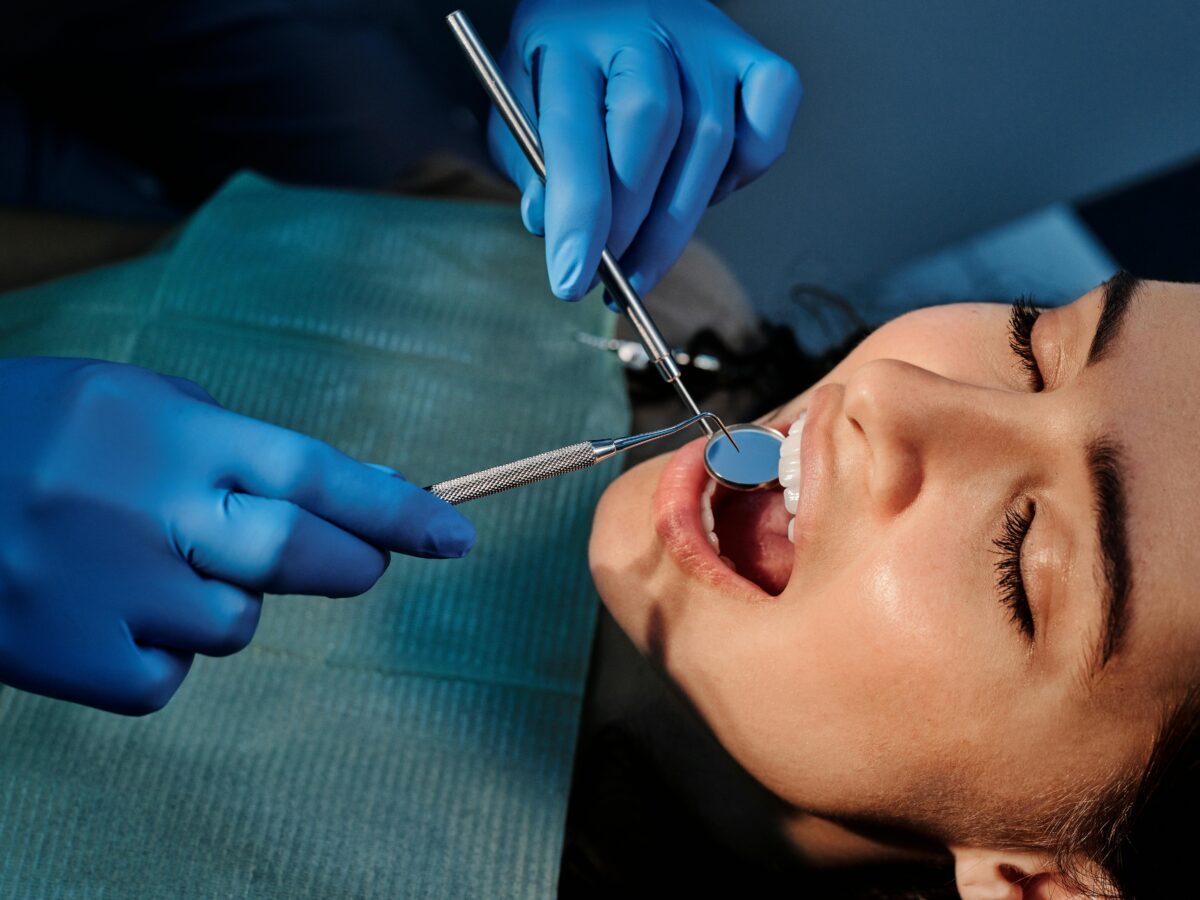
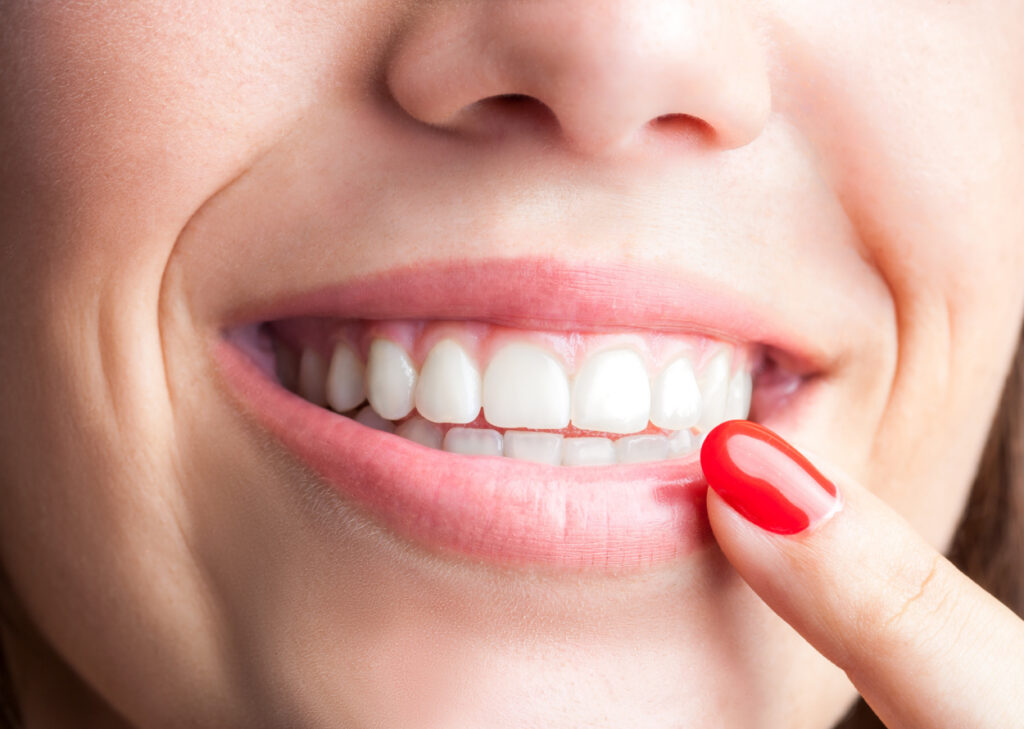
Clear aligners have changed orthodontics in a very practical way. Years ago, most adults who wanted straighter teeth had to choose between metal braces and doing nothing. Now there are several aligner brands, many treatment models, and a wide range of price points. That variety is good for patients, but it also creates confusion. People often use the word Invisalign as if it means any clear aligner, much like people say Kleenex when they mean tissues. In orthodontic care, though, Invisalign is not a generic term. It is a specific system with its own materials, planning software, clinical protocols, and track record.
That distinction matters more than marketing. When patients compare Invisalign with other clear aligners, they are not just comparing transparent trays. They are comparing how teeth are moved, how closely treatment is supervised, how much control a doctor has over difficult movements, how predictable refinements are, and how easily the plan can adapt if teeth do not track exactly as expected. Those details rarely show up in a quick online quote, but they shape the final result.
The simplest way to put it is this: clear aligners may look similar in your hand, but they do not always behave the same way in your mouth.
The biggest difference is not the plastic, it is the system behind it
Patients often begin by asking about the trays themselves. Are they thicker? More comfortable? More invisible? Those are fair questions, but in practice the real difference usually comes from the system surrounding the trays.
Invisalign has been around for decades and has accumulated an enormous amount of clinical use across simple cases and complex ones. That matters because tooth movement is not perfectly linear or perfectly predictable. Teeth sit in bone, respond at different rates, and are affected by root shape, gum health, bite forces, attachments, compliance, and anatomy that varies from person to person. A mature aligner system learns from those variables over time.
With Invisalign, the planning process is tightly integrated with digital scanning, treatment simulation, attachment design, staged movement, interproximal reduction when needed, and refinement protocols. Many other clear aligner companies also offer digital planning and staged trays, but the level of customization and the breadth of clinical support can differ quite a bit.
From a patient's perspective, this often shows up in small but meaningful ways. The trays may seat more precisely. Attachments may be designed to create a specific force on a stubborn canine or rotated premolar. The doctor may have more options to modify the plan mid-course instead of starting over. A case that begins as "straighten the front teeth" may reveal a deeper bite issue or crossbite that needs coordinated movement across the whole arch. That is where systems separate from products.
Why Invisalign often feels more doctor-driven
One of the practical differences between Invisalign and many competitors is the degree to which treatment tends to be built around the prescribing dentist or orthodontist. That does not mean every Invisalign case is excellent, or that every non-Invisalign case is limited. The clinician still matters most. But Invisalign has historically been positioned as a tool used and adjusted by trained providers, rather than a one-size-fits-all consumer product.
That distinction becomes important when a case drifts away from the original simulation, which happens more often than advertisements suggest. Teeth may lag behind the trays. Attachments can come off. A lateral incisor may not rotate fully. A patient may wear aligners 18 hours a day instead of the recommended 20 to 22. If the treatment model is highly supervised, those issues are usually spotted earlier and corrected with fewer compromises.
In office-based Invisalign care, providers can rescan, add or redesign attachments, change wear intervals, perform enamel reduction more precisely, use elastics, or order refinement aligners that target the movements that did not finish well. With some other aligner systems, especially lower-cost or direct-to-consumer models, the room for in-person intervention may be narrower.
That is one reason Invisalign tends to be favored in cases where the bite matters as much as the smile. Straight front teeth look great in a selfie, but orthodontic treatment is also about how upper and lower teeth fit together when you chew, speak, and function every day.
Material science matters, but not in the way ads suggest
Invisalign trays are often associated with a proprietary aligner material, currently known in many practices as SmartTrack. Competing brands have their own plastics and their own claims about flexibility, force, and comfort. It would be easy to overstate those differences, so it is better to keep this grounded.
Yes, aligner material affects fit, retention, force delivery, and how consistently the tray rebounds around the teeth. Some materials feel stiffer at insertion. Some seem to cloud faster. Some crack more easily in heavy grinders. Some are easier to remove. Those differences are real enough that experienced clinicians notice them.
Still, no material can rescue a poor treatment plan. If the staging is unrealistic or the biology is fighting the movement, even a very well-made tray will struggle. On the other hand, a strong plan with smart monitoring can succeed with more than one aligner brand.
Where Invisalign often stands out is the interaction between material and planning. The tray is not just clear plastic. It is designed as part of a system that includes attachment shapes, pressure points, optimized extrusion or rotation features, and the sequencing of movement. That system-level integration tends to be more important than any single material claim.
Attachments, precision cuts, and other details patients rarely hear about
Many patients are surprised when they learn that clear aligner treatment often involves small tooth-colored bumps bonded to the teeth. These are attachments, and they are one of the clearest examples of how Invisalign differs from more simplified aligner models.
Attachments give the tray something to grip. Without them, certain movements become much less predictable. Rotating rounded teeth, extruding a tooth downward, controlling root position, or moving several teeth in a coordinated way can be difficult with smooth plastic alone. Invisalign has developed a wide set of attachment designs and protocols for using them strategically.
That may not sound glamorous, but it is a big deal clinically. A tray that can tip a tooth is not the same as a tray that can control the root, preserve bite relationships, and align crowded teeth without creating unwanted side effects. Precision cuts for elastics, bite ramps for deep bite correction, and staged overcorrections all expand what can be treated.
Other clear aligner systems can use attachments too, and many do. The difference is often depth and refinement. Invisalign has a long history of integrating these features into treatment planning, especially in comprehensive cases. When a case is straightforward, the distinction may be modest. When it is not, the distinction becomes easier to see.
Predictability is where the conversation gets more honest
People shopping for aligners usually ask two questions early: how much will it cost, and how long will it take? Those are important, but a third question is often more revealing: how predictable is the plan?
No aligner brand can guarantee that every tooth will move exactly as simulated. Biology does not work that way. The digital animation patients see at the start is a projection, not a promise. Good providers explain this upfront because it sets realistic expectations and prevents frustration later.
Invisalign's reputation rests in part on predictability across a wide range of movements, but even with Invisalign, treatment often includes refinements. In many offices, it is normal to perform an additional scan near the end and order more trays to sharpen final details. That is not failure. It is part of finishing well.
Patients sometimes assume a cheaper aligner program that promises a fixed number of trays will be more efficient. In reality, fewer trays can simply mean fewer opportunities to fine-tune the result. A plan that appears faster on paper may end with residual crowding, black triangles, bite interference, or slight rotations that are noticeable to trained eyes and sometimes to patients too.
If your goals are modest, a simpler system may still be enough. If you care about root position, bite settling, long-term retention, and cosmetic detail from multiple angles, predictability matters more than the headline price.
Not all clear aligner cases are equally difficult
This is where many comparisons go off track. People compare Invisalign with other aligners as if all cases are interchangeable. They are not.
A college student with minor relapse after braces, a middle-aged patient with a deep bite and wear on the lower front teeth, and an adult with crowding plus gum recession are all "clear aligner candidates" in a broad sense. Clinically, though, they are very different.
Here is where Invisalign often has an advantage:
- mild to moderate crowding with bite correction needs
- rotations of rounded teeth, especially canines and premolars
- deep bites, crossbites, and some open bite mechanics
- cases needing attachments, elastics, or staged enamel reduction
- comprehensive treatment where refinement is likely
A simpler aligner option may work perfectly well for a patient whose main issue is a few slightly crooked front teeth and who already has a solid bite. But as complexity rises, the quality of planning, supervision, and toolset matters more. That is why orthodontists often reserve judgment until they see scans, x-rays, photos, gum condition, and bite relationships, rather than quoting a case from one smiling selfie.
The role of in-person supervision
One of the most practical differences between Invisalign https://spencerquvy268.trexgame.net/can-invisalign-help-with-jaw-alignment-issues and some competing aligner brands is how often the treatment is tied to regular chairside care. There is no single model here. Some non-Invisalign aligners are delivered through dental offices and monitored carefully. Some Invisalign patients are seen less often than others. Still, the overall pattern is worth noting.
When patients are reviewed in person, providers can check tracking, polish rough attachment edges, evaluate gum health, monitor wear, assess bite contacts, and make small decisions before they become large problems. A tray that is not seating fully on one tooth may only be off by a millimeter, but that gap can snowball over several stages.
I have seen patients who felt their treatment was "going fine" because the trays still fit reasonably well, only to discover that the bite had shifted in a way they had not noticed. Posterior open bites, uneven contacts, and incisor flaring can creep in subtly. This is not unique to any one brand, but systems with more robust in-person oversight usually catch those changes sooner.
That oversight also helps with comfort and compliance. Removing aligners at meals, cleaning them properly, keeping them in for the recommended number of hours, and changing them on schedule sound simple. In real life, people travel, get busy, misplace trays, or push a movement too quickly. Supervision helps keep an ordinary treatment from turning into a drawn-out one.
Cost differences reflect more than branding
Invisalign is often more expensive than other clear aligners, and that price gap can be substantial. Patients naturally want to know whether they are paying for quality or just the name.
The honest answer is that both factors can play a role, but the quality side is real. Cost may reflect lab fees, planning sophistication, doctor time, refinement flexibility, the complexity level included in the package, and how much clinical support is built into treatment. A comprehensive Invisalign case monitored by an orthodontist is not the same product as a low-cost cosmetic alignment plan sold with minimal oversight.
That does not mean higher cost always equals better value. For a very limited case, a premium system may be more than the patient needs. If someone only wants slight cosmetic alignment and understands the limitations, a less expensive aligner option may be perfectly rational. The key is matching the system to the clinical problem, not assuming every crooked tooth requires the most advanced package available.
A useful way to think about price is to ask what is included if things do not go exactly to plan. Are refinements covered? How many? Are office visits part of the fee? Will attachments or elastics cost extra? Is retention included? Those answers often explain price differences better than branding alone.
Comfort, appearance, and daily wear
On the day-to-day level, Invisalign and other clear aligners are more alike than different in some respects. They are removable. They are more discreet than braces. They make oral hygiene easier because you can brush and floss normally. They also ask a lot from the patient.
Success depends heavily on wear time. Twenty to 22 hours a day is a common recommendation. That means the trays come out for meals and brushing, not for long stretches of coffee sipping, social events, or absent-minded breaks on a desk napkin. Adults often underestimate how much discipline this takes, especially when work, dining out, and travel are involved.
Patients frequently describe the first few days in a new set of aligners as pressure rather than pain. Speech can feel slightly different at first, particularly with certain attachments or bite ramps. Saliva flow increases for a day or two. These are normal adjustment issues and not unique to Invisalign.
Where Invisalign sometimes earns patient loyalty is consistency. The fit, staging, and finish can feel more polished in a well-managed case. That is not universal, and plenty depends on the provider, but it is a recurring theme among patients who have experienced more than one aligner brand over time.
Marketing can blur the real distinctions
The clear aligner market is crowded, and nearly every brand uses similar language: discreet treatment, advanced technology, custom trays, faster smiles. Patients hear these claims so often that the options begin to sound interchangeable.
They are not. Some brands focus on limited cosmetic alignment. Some are built for full comprehensive treatment. Some rely heavily on remote review. Some give the treating doctor extensive control. Some have stronger support for difficult movements. Some are intentionally positioned as budget alternatives.
This is why broad statements like "all clear aligners are basically the same" or "Invisalign is just paying for a logo" miss the point. In some simple cases, outcomes may indeed be comparable. In other cases, the difference between systems can be the difference between a polished finish and a compromise that later needs retreatment.
One of the more common scenarios in practice involves patients who start with a budget aligner model for cosmetic reasons, then realize midway that the bite feels off or that one or two teeth are not moving as expected. Correcting that later is possible, but it can erase the original savings and add months of treatment. The least expensive path at the start is not always the least expensive path by the end.
When another clear aligner may be a reasonable choice
A balanced comparison should say this plainly: Invisalign is not automatically the best choice for every person. Some patients are excellent candidates for other aligner systems, especially when treatment goals are limited and the provider has good experience with that system.
There are cases where a non-Invisalign aligner can make sense:
- minor relapse after previous orthodontic treatment
- small spacing or crowding with a stable bite
- patients with tight budgets and modest cosmetic goals
- practices that have strong results with another well-supported system
- situations where simpler treatment is genuinely appropriate
The important phrase there is genuinely appropriate. If a patient is being steered toward a lighter treatment than their bite really needs because it is cheaper or easier to sell, that is not good care. On the other hand, if a patient has a straightforward problem and does not need the depth of a comprehensive system, simplicity can be a virtue.
The provider often matters as much as the brand
This point deserves emphasis because brand comparisons can become too brand-centric. An excellent orthodontist using a non-Invisalign aligner system may deliver a better result than an inexperienced provider using Invisalign poorly. The appliance matters, but diagnosis and execution matter more.
When patients evaluate options, they should pay attention to how the provider thinks. Do they explain your bite, not just your front teeth? Do they discuss limitations? Do they mention retainers before treatment even begins? Do they show you where attachments might go and why? Do they talk honestly about refinements, wear time, and what could slow progress?
Those conversations usually reveal more than the logo on the box.
A thoughtful provider will also tell you when aligners are not ideal. Some severe skeletal problems, significant periodontal issues, impacted teeth, or complicated jaw relationships may require braces, surgery, or a hybrid approach. Confidence is reassuring, but overpromising is a red flag in orthodontics.
What patients should ask before deciding
If you are comparing Invisalign with another clear aligner, a few practical questions can clarify the decision very quickly. Ask whether your case is cosmetic or comprehensive. Ask whether bite correction is part of the plan. Ask what happens if a tooth does not track. Ask whether refinements are included, how often you will be reviewed, and whether attachments or elastics are expected. Ask what retainer protocol will follow treatment.
Patients who ask these questions usually make better choices because they move beyond advertising and into mechanics, supervision, and accountability. That is where treatment lives.
The real difference, once you strip away the branding
What makes Invisalign different from other clear aligners is not one magical feature. It is the combination of a mature treatment system, extensive clinical use, a broad toolkit for controlled tooth movement, and a care model that often supports more doctor-guided customization. Those strengths tend to matter most when a case goes beyond very mild cosmetic alignment.
For simple cases, several aligner options may work well. For more demanding cases, Invisalign often distinguishes itself in planning depth, movement control, refinement flexibility, and the ability to integrate with in-person orthodontic judgment. That does not make it the only good choice. It does make it a meaningfully different one.
Patients do best when they stop asking which trays are "best" in the abstract and start asking which system is best for their specific teeth, bite, goals, and tolerance for compromise. That is usually where the answer becomes much clearer.
Omni Dental Specialty
Address: 1690 E Gonzales Rd, Oxnard, CA 93036
Phone number: +18053666000
FAQ About Invisalign
How much does Invisalign actually cost?
The out-of-pocket cost for Invisalign typically ranges between $3,000 and $8,000, with most patients paying a national average of roughly $5,100 to $5,700 before insurance.
What is the downside to Invisalign?
The biggest downsides to Invisalign are the intense discipline required to wear the trays 22 hours a day, the inconvenience of removing them to eat or drink, and the inability to fix severe, complex orthodontic issues.
Is $5000 a lot for Invisalign?
No, $5,000 is not considered a lot for Invisalign; it is exactly the national average. Treatment costs typically fall between $3,000 and $8,000, and $5,000 is the standard fee for a moderately complex case that takes 6 to 18 months to complete.